AMERICAN SAE-1002-C6-TP Heat Transfer Body Copper Tubes Inc.
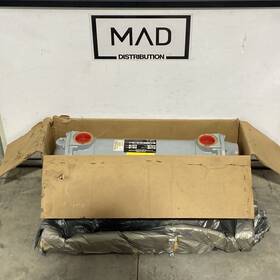
( Brand: American ), ( Manufacturer Part Number: SAE-1002-C6-TP ), ( Model: TRANSFER INC. SAE-1002-C6-TP ), ( Part Type: Heat Transfer Tube ), ( Material: Brass )
Review AMERICAN Industrial Heat Transfer Inc. Brass Body Copper Tubes
The **American SAE-1002-C6-TP heat transfer copper tubes** represent a premium-grade solution for high-performance thermal management applications, engineered to deliver exceptional efficiency, durability, and reliability in demanding environments. These tubes are crafted from **C65100 (C6) copper alloy**, a material renowned for its superior thermal conductivity approximately **400 W/m K** which ensures rapid and effective heat dissipation, making them ideal for automotive radiators, HVAC systems, refrigeration units, and industrial cooling loops. The **SAE-1002 specification** adheres to strict industry standards, guaranteeing consistent dimensional precision, seamless weldability, and resistance to corrosion, even under prolonged exposure to harsh fluids like ethylene glycol, refrigerants, or mineral-based coolants. The **C6-TP designation** further emphasizes the tube s **tubular precision**, featuring a **thin-walled, seamless construction** that maximizes surface area for optimal heat exchange while minimizing material waste. This design reduces thermal resistance, enhances fluid flow dynamics, and extends the operational lifespan of the system by preventing hot spots and reducing pressure drop. Whether integrated into a high-performance engine cooling system, a commercial refrigeration unit, or a precision industrial heat exchanger, these tubes excel in maintaining thermal stability under extreme temperatures, from sub-zero conditions to elevated operating ranges. Their **smooth, corrosion-resistant interior** promotes laminar fluid flow, reducing energy losses and operational costs, while the **robust copper alloy exterior** provides structural integrity and resistance to galvanic corrosion when paired with compatible materials. Additionally, the **consistent wall thickness** and **tight tolerances** ensure compatibility with automated manufacturing processes, such as brazing or soldering, without compromising performance. For engineers and manufacturers seeking a balance of thermal efficiency, longevity, and adaptability, the **SAE-1002-C6-TP copper tubes** stand as a dependable choice, capable of elevating the performance of even the most exacting thermal management systems.
**Pros and Cons of Buying SAE J1002 C6 TP Heat Transfer Copper Tubes**
### **Pros**
1. **High Thermal Conductivity** Copper has one of the best thermal conductivity ratings among metals, making it ideal for efficient heat transfer in automotive radiators, oil coolers, and intercoolers. This ensures better performance and reduced engine temperatures, improving fuel efficiency and longevity.
2. **Corrosion Resistance** The C6 (red brass) alloy used in these tubes provides good resistance to corrosion, especially in automotive environments where exposure to road salts, moisture, and engine fluids is common. This extends the lifespan of the cooling system components.
3. **Durability and Strength** The TP (temper) designation indicates that the tubes are cold-worked for added strength without losing ductility. This makes them resistant to deformation under pressure, reducing the risk of leaks or failures over time.
4. **Compatibility with Automotive Standards** SAE J1002 certification ensures these tubes meet industry specifications for automotive heat exchangers, guaranteeing compatibility with radiator and cooler manufacturing processes.
5. **Ease of Fabrication** Copper is highly malleable and can be easily bent, welded, or soldered, simplifying assembly in radiator and heat exchanger production. This reduces manufacturing complexity and costs.
6. **Recyclability** Copper is 100% recyclable without losing quality, making these tubes environmentally friendly and cost-effective in the long run, especially for manufacturers focused on sustainability.
7. **Consistent Quality** Reputable suppliers provide uniform tube dimensions and material properties, ensuring reliability in performance and reducing defects in final products.
8. **Long-Term Cost Efficiency** While the initial cost may be higher than some alternatives (e.g., aluminum), the superior heat transfer and durability can lead to lower maintenance and replacement costs over the lifespan of automotive components.
---
### **Cons**
1. **Higher Initial Cost** Copper is more expensive than materials like aluminum or steel, which can increase the overall production cost of radiators or heat exchangers. This may be a barrier for budget-conscious manufacturers or aftermarket parts suppliers.
2. **Weight Consideration** Copper is heavier than aluminum, which could impact vehicle weight and, consequently, fuel efficiency in some applications. While the weight difference is often negligible in radiators, it may be a factor in lightweight vehicle designs.
3. **Potential for Galvanic Corrosion** When copper comes into contact with dissimilar metals (e.g., aluminum, steel) in the cooling system, galvanic corrosion can occur if proper protective measures (e.g., coatings, insulation) are not implemented. This requires careful design to mitigate risks.
4. **Limited Availability of Suppliers** High-quality copper tube suppliers may be fewer compared to aluminum suppliers, potentially leading to longer lead times or dependency on specific vendors, which could disrupt production schedules.
5. **Maintenance Sensitivity** Copper tubes can be sensitive to contaminants in the cooling system, such as acidic fluids or debris, which may accelerate corrosion or clogging over time. Regular maintenance is necessary to ensure optimal performance.
6. **Environmental and Ethical Concerns** While copper is recyclable, its mining and processing can have environmental impacts (e.g., energy use, habitat disruption). Some manufacturers or consumers may prefer materials with a lower environmental footprint, though copper s recyclability mitigates this somewhat.
7. **Potential for Leaks in Poor Quality Tubes** If the tubes are not properly tempered or have defects (e.g., cracks, porosity), they may leak under pressure. This risk is higher if the supplier does not adhere to strict quality control standards.
8. **Compatibility with Certain Coolants** Some coolant additives or antifreeze formulations may react negatively with copper over time, leading to discoloration or corrosion. Compatibility testing is essential to avoid long-term damage.
---
### **Conclusion**
SAE J1002 C6 TP heat transfer copper tubes are an excellent choice for high-performance automotive radiators, oil coolers, and intercoolers due to their superior thermal conductivity, corrosion resistance, and durability. These tubes are particularly advantageous in applications where efficiency, longevity, and reliability are critical. However, their higher cost, weight, and potential for galvanic corrosion or maintenance requirements must be carefully considered, especially in cost-sensitive or lightweight vehicle applications.
For **manufacturers**, the trade-offs between performance benefits and initial costs should be weighed against the long-term savings from reduced maintenance and improved product lifespan. For **aftermarket or DIY enthusiasts**, these tubes are ideal for upgrading cooling systems where maximum heat dissipation is desired, despite the higher upfront expense.
For **automotive OEMs or high-performance tuning shops**, the advantages of copper tubes such as better heat transfer and resistance to extreme conditions often justify the investment. In contrast, **budget-conscious or mass-market applications** may opt for aluminum alternatives to reduce costs, even if they sacrifice some thermal efficiency.
---
### **Recommendation**
- **Buy these copper tubes if:**- You prioritize **maximum heat transfer efficiency** (e.g., for high-performance engines, turbocharged, or supercharged applications).
- Your application requires **long-term durability and corrosion resistance** (e.g., in harsh environments or heavy-duty vehicles).
- You are willing to **invest in higher-quality components** that reduce long-term maintenance and replacement costs.
- You are working with a **reputable supplier** that ensures consistent quality and proper tempering of the tubes.
- **Consider alternatives (e.g., aluminum tubes) if:**- **Cost is a primary concern**, and you can accept slightly lower thermal performance.
- You are designing for **lightweight vehicles** where reducing overall weight is critical.
- Your application involves **mixed-metal systems** where galvanic corrosion risks are high (ensure proper insulation or coatings are used if copper is still preferred).
For most **high-performance or racing applications**, SAE J1002 C6 TP copper tubes are strongly recommended due to their proven reliability and efficiency. For standard automotive use, they remain a premium but worthwhile choice for those seeking the best cooling performance. Always verify the supplier s reputation and material certifications to avoid subpar quality.
Details:
Shipped with USPS Ground Advantage. Condition is New. SAE-1002-C6-TP Brass Body Copper Tubes.
part #: sae1002c6 prices
- $2299.99-$5317.99
specifications indheatexchanger:
- brand: American
- mpn: Sae-1002-c6-tp
- model: Transfer Inc. Sae-1002-c6-tp
- part type: Heat Transfer Tube
- material: Brass
offer indheatexchanger:
- options: Ship-to-home
- availability: In Stock
- quantity: 1
- sold: 0
- best offers: True
- started: March 11, 2026
payments indheatexchanger:
- other
- wallet: Google-pay
- credit card: Discover
shipping indheatexchanger:
- type: Calculated
- class: Standard
- cost: $0.00
- transit: 5-10 Days
- service: USPS Ground Advantage
- carrier: USPS
general indheatexchanger:
- HVAC Refrigeration > HVAC Refrigeration Components > Heat Exchangers
- condition: New
returns indheatexchanger:
- policy: No Returns
seller indheatexchanger:
- city: Atkins, Arkansas
- # reviews: 3112
- rating: 99.9%
American SAE-1002-C6 Is Similar To:
- American Industrial Heat Transfer Inc Ab-702-a4-tp Tube Exchanger (63.4% similar) Sold as is, condition not known. This American industrial AB-702-A4-TP tube heat exchange...(December 10th, 2023)
- American Industrial As-624-2-4 Heat Transfer Exchanger Model Aa-624-2-4-fp 798 (51.6% similar) Ask any questions. Shipped with USPS ground advantage removed from machinery in great shape, threads are A-1, no problems. American industrial heat transfer exchange model AA-624-2-4-FP 798...(February 2nd, 2024)
- American Standard 5-142-05-048-018 Hcf 4-pass Heat Exchanger Brass Shell 52 Inch L (41.5% similar) And the cost of return shipping. Items in LOT1. Country of manufacture USA. Cast iron end caps. Ask our experts. 2 shell ports. 1 tube ports. Part NUMBER5-142-05-048-018. Condition used...(April 15th, 2024)
- American Standard 5-030-05-024-005 Bcf Shell And Tube Heat Exchanger (34.5% similar) Tube: max w.p. This item has scratches on it. 300PSI / max. See pictures for visuals. 150PSI / max. This specifically applies to items marked as: new, new open box and used these are covered by our 30 day warranty...(April 29th, 2024)
- American Standard 5-030-06-024-003 Bcf 2 Pass Tube Heat Exchanger Shaft Dia 6 Inch (35.2% similar) Please see above for details on item condition. Combined shipping on multiple items. Special requests more shipping options. But when available in multiple quantity, the photo shown is representative of item. Special invoicing and/or packaging requests. Whats included. 24 tube length approx 28 ...(May 5th, 2024)
- American Industrial Eoc-375-3-s-2p Air Cooled Heat Exchanger 350f 300psi (44.3% similar) Heating and cooling. Tool storage. Line reactors. Pneumatic exhaust valves. Knife gate valves. Check valves...(August 12th, 2024)
- American Ab-401-00024 Industrial Heat Transfer Exchanger (66.2% similar) New,stock ROW2,SHELF1...(September 11th, 2024)
- American Am-8x8 8 X Water To Air Heat Exchanger Hot Coil Royal (39.7% similar) 8 x water to air heat exchange hot coil - American royal: manufacturer: royal. Item model number: AM8X8 heat exchange. Batteries included?: no. Batteries required ?: no. Lifetime mfg. Part number: am 8X8. Is discontinued by manufacturer: no. Product dimensions: 8 x 3.5 inches. Warranty against ...(September 12th, 2024)
- American Industrial Bm-202-npt Air Cooled Heat Exchanger 3 4in Npt 300psi 400f (45.2% similar) Heating and cooling. Pneumatic exhaust valves. Line reactors. Check valves. Tool storage. Knife gate valves...(September 23rd, 2024)
- American Industrial Cs-1224-33770 0414 Shell And Tube Heat Exchanger (37.2% similar) Shell material:iron. Tube inlet/outlet SIZE:2-1/4 in. Model: CS-1224-33770 0414. Shell inlet/outlet SIZE:3-1/4 in. Tube material:copper...(October 5th, 2024)
- American Industrial Ab-1003-b4-fp 1012 Shell tube Heat Exchanger 1-1 2in 1in Npt (43.3% similar) Shell material:brass. Tube material:copper. Shell inlet/outlet SIZE:1-1/2 in. Tube inlet/outlet SIZE:1 in. Model: AB-1003-B4-FP 1012. Thread type:not...(October 6th, 2024)