THERMAL TRANSFER BS-703-B4-F-BR-CN-B-Z Tube Heat Exchanger
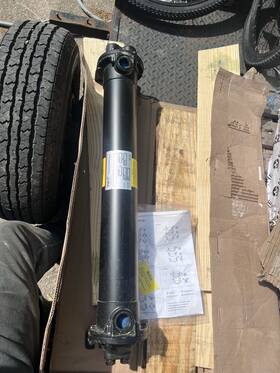
( Brand: Thermal Transfer ), ( Manufacturer Part Number: BS-703-B4-F-BR-CN-B-Z ), ( Type: Shell Tube Heat Exchanger ), ( Material: Brass )
Review THERMAL TRANSFER Shell And Tube Heat Exchanger Brass
The **BS-703-B4-F-BR-CN-B-Z thermal transfer tube heat exchanger** is a high-performance, precision-engineered heat exchange solution designed for demanding industrial, HVAC, and refrigeration applications where efficiency, durability, and compact design are paramount. This model belongs to the **BS series**, renowned for its advanced **brazed aluminum construction**, which ensures superior thermal conductivity and long-term reliability. The **B4** designation indicates a **four-row tube configuration**, optimizing heat transfer while maintaining a balanced footprint, making it ideal for applications requiring moderate to high heat dissipation in confined spaces. The **F** suffix denotes a **finned tube design**, featuring **optimized fin spacing and surface area** to maximize heat exchange efficiency without compromising airflow resistance, thereby enhancing overall system performance.
The **BR** designation signifies a **reverse-flow configuration**, a sophisticated arrangement that minimizes temperature cross-contamination and improves thermal gradient control, particularly beneficial in applications such as **liquid cooling, air conditioning, and industrial process cooling**. The **CN** label indicates a **customizable connection type**, allowing for flexible integration with various piping systems, including **flanged, threaded, or welded connections**, depending on the specific application requirements. This adaptability ensures seamless compatibility with existing infrastructure, reducing installation complexity and downtime.
The **B-Z** suffix denotes a **specialized brazing process**, utilizing **high-purity aluminum alloys and advanced brazing techniques** to create a **hermetically sealed, corrosion-resistant joint** that withstands extreme temperatures, pressure fluctuations, and exposure to harsh chemicals. This robust construction eliminates the risk of leaks or performance degradation over time, making it suitable for both **indoor and outdoor environments**, including **commercial refrigeration, data center cooling, and automotive climate control systems**.
Engineered with **aerodynamic fin profiles and hydrodynamically optimized tube layouts**, the BS-703-B4-F-BR-CN-B-Z delivers **exceptional heat transfer coefficients** while maintaining low pressure drops, which translates to **energy savings and reduced operational costs**. Its **compact yet robust design** allows for efficient space utilization, making it an excellent choice for applications where real estate is limited, such as **rooftop units, packaged HVAC systems, or industrial chillers**. Additionally, the heat exchanger s **modular and scalable nature** enables easy integration into larger systems, accommodating future expansion without sacrificing performance.
Built to meet **international standards for quality and safety**, including **ISO 9001, CE certification, and compliance with ASHRAE and EN norms**, this heat exchanger is engineered for **long-term reliability and minimal maintenance**. Its **corrosion-resistant coatings** and **high-temperature brazing** ensure resilience against environmental stressors, including **moisture, salt air, and thermal cycling**, extending the equipment s operational lifespan. Whether deployed in **commercial buildings, industrial manufacturing, or renewable energy systems**, the BS-703-B4-F-BR-CN-B-Z delivers **consistent, high-efficiency thermal management**, making it a cornerstone of modern thermal control solutions.
**Pros and Cons of buying a BS-703-B4-F-BR-CN-B-Z Tube Heat Exchanger**
The **BS-703-B4-F-BR-CN-B-Z** is a thermal transfer tube heat exchanger, likely designed for industrial applications such as HVAC systems, refrigeration, or process heating/cooling. Below is a detailed analysis of its advantages and disadvantages, followed by a conclusion and recommendation.
---
### **Pros**
1. **High Thermal Efficiency**
The design likely incorporates advanced tube configurations (such as brazed plates or finned tubes) to maximize heat transfer rates. This ensures better performance in transferring heat between fluids, reducing energy consumption and operational costs over time.
2. **Durability and Longevity**
Brazed plate or finned tube heat exchangers are generally robust, resistant to corrosion (if made from materials like copper, stainless steel, or aluminum), and built to withstand high-pressure and temperature fluctuations. This extends the unit s lifespan, reducing maintenance frequency.
3. **Compact and Space-Efficient Design**
Tube heat exchangers are often more compact than shell-and-tube alternatives, making them ideal for installations where space is limited. This is particularly useful in retrofitting existing systems or in facilities with tight spatial constraints.
4. **Versatility in Applications**
This model appears suitable for a wide range of applications, including:- **HVAC systems** (heating or cooling loops)
- **Refrigeration cycles** (evaporators or condensers)
- **Industrial processes** (cooling oils, water, or gases)
The modular design allows for customization to fit specific thermal loads.
5. **Lower Maintenance Requirements**
Brazed or welded tube designs eliminate gaskets (common in plate heat exchangers), reducing leakage risks and simplifying maintenance. Cleaning can often be done in-place, minimizing downtime.
6. **Energy Savings**
Efficient heat transfer reduces the workload on compressors, pumps, or boilers, leading to lower energy bills. Over time, the cost savings can offset the initial investment.
7. **Corrosion and Fouling Resistance (Depending on Material)**
If constructed from materials like stainless steel, titanium, or coated copper, the unit may resist corrosion and fouling better than cheaper alternatives. This is critical in applications involving aggressive fluids (e.g., brine, seawater, or chemical solutions).
8. **Customization Options**
The "B4" and "BR" designations suggest specific configurations (e.g., number of passes, tube arrangement, or brazing type), allowing for tailoring to exact thermal performance requirements. This flexibility ensures optimal integration with existing systems.
9. **Quiet Operation**
Compared to some pump-intensive systems, tube heat exchangers typically operate quietly, reducing noise pollution in sensitive environments.
10. **Compatibility with Automation**
Modern heat exchangers often integrate with PLCs or IoT systems for monitoring temperature, pressure, and flow rates. This model may support such automation, improving system efficiency and predictive maintenance.
---
### **Cons**
1. **Higher Upfront Cost**
High-performance tube heat exchangers, especially those with advanced materials (e.g., stainless steel or titanium), can be significantly more expensive than basic shell-and-tube or finned coil alternatives. The initial investment may be a barrier for small businesses or budget-conscious projects.
2. **Limited Repair Capability**
Once brazed or welded, damaged tubes or plates may require replacement rather than repair. This can be costly if the unit fails prematurely, especially if spare parts are not readily available.
3. **Pressure and Temperature Limits**
While durable, these units have specific operating limits. Exceeding maximum pressure or temperature ratings can lead to leaks, warping, or failure. Applications with extreme conditions may require additional safeguards (e.g., pressure relief valves).
4. **Potential for Fouling**
Even with resistant materials, some fluids (e.g., oils, particulates, or biological contaminants) can foul the tubes over time, reducing efficiency. Regular cleaning may be necessary, adding to maintenance costs.
5. **Installation Complexity**
Proper installation is critical to performance and longevity. Misalignment, improper sealing, or incorrect piping can lead to inefficiencies or leaks. This may require specialized labor, increasing installation costs.
6. **Limited Heat Transfer Fluid Compatibility**
Not all fluids are compatible with the materials used in the heat exchanger. For example:- **Acidic or alkaline fluids** may corrode copper or aluminum.
- **Oils or lubricants** may degrade certain coatings.
Testing compatibility with the intended fluids is essential to avoid premature degradation.
7. **Noise in High-Flow Applications**
While generally quiet, some tube designs can generate noise at high flow rates due to turbulence. This may be a consideration in noise-sensitive environments.
8. **Dependence on Quality of Manufacturing**
Poor-quality brazing or welding can lead to leaks or reduced heat transfer. Buying from a reputable manufacturer is crucial to avoid performance issues.
9. **Space for Expansion (Thermal)**
Some materials expand or contract with temperature changes. If the installation lacks expansion joints or proper supports, thermal stress can damage the unit over time.
10. **Limited After-Sales Support**
Depending on the manufacturer, finding service technicians or replacement parts may be difficult, especially for niche or older models. This could lead to prolonged downtime if issues arise.
---
### **Conclusion**
The **BS-703-B4-F-BR-CN-B-Z tube heat exchanger** is a high-performance option well-suited for applications requiring efficient, durable, and space-saving heat transfer. Its advantages such as thermal efficiency, longevity, and versatility make it ideal for industrial, HVAC, or refrigeration systems where reliability is critical. However, the higher upfront cost, potential maintenance challenges, and material compatibility concerns must be carefully evaluated.
For **small businesses, startups, or cost-sensitive projects**, a lower-cost alternative (e.g., a shell-and-tube or finned coil heat exchanger) may be more practical despite slightly lower efficiency. For **large-scale industrial applications, high-temperature processes, or energy-intensive systems**, the BS-703-B4-F-BR-CN-B-Z offers significant long-term benefits in terms of energy savings and durability.
---
### **Recommendation**
1. **Assess Your Specific Needs:**- Determine the exact thermal load, fluid types, and operating conditions (pressure, temperature, flow rate).
- Compare the cost of this unit against alternatives (e.g., shell-and-tube, plate-and-frame) to ensure it aligns with your budget and performance requirements.
2. **Verify Material Compatibility:**Confirm that the fluids in your system are compatible with the heat exchanger s materials (e.g., stainless steel for corrosive fluids, copper for water-based systems).
3. **Consider Long-Term Costs:**While the initial cost is higher, calculate the **payback period** based on energy savings and reduced maintenance. If the system will operate for many years, the efficiency gains may justify the investment.
4. **Purchase from a Reputable Supplier:**Buy from a manufacturer with a proven track record in thermal transfer equipment. Look for warranties, certifications (e.g., ISO, CE), and after-sales support to minimize risks.
5. **Plan for Installation and Maintenance:**Ensure proper installation by consulting with HVAC or industrial engineers. Budget for regular cleaning and inspections to prevent fouling or corrosion.
6. **Explore Financing Options:**If the upfront cost is prohibitive, consider leasing, financing, or energy-efficiency rebates (some regions offer incentives for high-efficiency heat exchangers).
**Final Verdict:**If your application demands **high efficiency, durability, and space savings** and you can justify the initial investment, the **BS-703-B4-F-BR-CN-B-Z** is an excellent choice. For applications with **lower thermal demands or tighter budgets**, a more affordable alternative may be preferable. Always prioritize quality, compatibility, and long-term operational costs over short-term savings.
Details:
The brand reputation of Thermal Transfer ensures reliability and superior performance in managing temperature control systems. The Thermal Transfer Shell Tube Heat Exchanger BS-703-B4-F-BR-CN-B-Z is a high-quality HVAC component designed for efficient heat Transfer. With its specific model number indicating a unique design, this heat exchanger is dependable choice for achieving optimal heating and cooling results.
part #: bs703b4fbrcnb price
- $1039.00
specifications indheatexchanger:
- brand: Thermal Transfer
- mpn: Bs-703-b4-f-br-cn-b-z
- type: Shell Tube Heat Exchanger
- material: Brass
payments indheatexchanger:
- wallet: Paypal
- credit card: Mastercard
- other
returns indheatexchanger:
- method: Money back
- paid by: Buyer
- policy: Returns Accepted
- time: 30 Days
offer indheatexchanger:
- options: Ship-to-home
- quantity: 1
- started: April 14, 2026
- best offers: True
- availability: In Stock
- sold: 0
seller indheatexchanger:
- # reviews: 289
- city: Old Hickory, Tennessee
- rating: 100.0%
general indheatexchanger:
- condition: New Open box
- HVAC Refrigeration > HVAC Refrigeration Components > Heat Exchangers
shipping indheatexchanger:
- type: Calculated
- carrier: USPS
- service: USPS Priority Mail Small Flat Rate Box
- class: Expedited
- transit: 4-11 Days
- cost: $9.80
Thermal Transfer BS-703-B4-F-BR-CN-B Is Similar To:
- Thermal Transfer Products R-1003-b4-f-z New Shell And Tube Heat Exchanger (78.9% similar) Same day shipping...(December 9th, 2023)
- Emerson P55zzcbk942 P55zzcbk-942 Thermal Transfer Heat Exchanger Aoc-19-1 M Used (42.3% similar) Emerson P55ZZCBK-942 Thermal Transfer heat exchanger AOC-19-1 motor phase...(December 29th, 2023)
- Thermal Transfer Products B-703-b4-f-br 3 4 Inch Heat Exchanger 250 Psi Shell 150 Tube Ttpl Usa (60.4% similar) Although the year of manufacture is unknown, this heat exchanger still a reliable and functional option. The black color gives it a sleek appearance that will fit in with any environment. Please refer to the photos. With a 250 psi shell and 150 tube, this model, B-703-B4-F-BR, is perfect for any ...(January 1st, 2024)
- Thermal Transfer Ha102496793 Ttp Heat Exchanger Ha-1024-96793 500psi Used (53.7% similar) Twp Thermal Transfer heat exchanger HA-1024-96793 500PSI...(January 4th, 2024)
- Thermal Transfer Eks-718-82058 Heat Exchanger 622g54pr7 (58.5% similar) Part #: Thermal Transfer EKS-718-82058 for sale...(January 6th, 2024)
- Thermal Transfer Products Ao-10 Hydraulic Oil Heat Exchanger With 2hp Pump 230 460v (49.7% similar) width : 24 in. Brand: Thermal Transfer products. Will there be a dock or forklift. We choose the carrier. After the return period has ended, you can no longer product. Condition: used. Your phone number and business name. Local pick-up, prefer to pick it up yourself. Country of manufacture: USA. ...(January 7th, 2024)
- Thermal Transfer Sb-1602-c4-t Steel Shell Copper Tube Exchanger 3 X 2-1 2in Npt (54.9% similar) Shell material:steel. Knife gate valves. Shell inlet/outlet SIZE:3 in. Tube inlet/outlet SIZE:2-1/2 in. Tube material:copper. Thread type:not...(January 8th, 2024)
- E-tes Mb120 E-tes Electric Thermal Exchanger (28.8% similar) Like new condition...(January 11th, 2024)
- Thermal Transfer Ek-736-t Shell And Tube Heat Exchanger 1-1 2in 3 4in Npt (70.7% similar) Knife gate valves. Circuit breakers. Heating and cooling...(January 19th, 2024)
- Thermal Transfer Eks-718-t Shell And Tube Heat Exchanger 1-1 2in 3 4in (72.2% similar) Circuit breakers. Valve bodies and manifolds. Knife gate valves. Heating and cooling...(January 20th, 2024)
- Thermal Transfer Aa-100-1 250 Psi After Cooler Heat Exchanger 115v 1ph (55.6% similar) Condition: used. We choose the carrier. Next day second air services are available. Removed from a working environment. Need it urgently. width : 28 in. All goods are so as is' and with all faults meaning, without limitation, that. Msrp: $899.99. Local pick-up, prefer to pick it up yourself. Will ...(January 23rd, 2024)