THERMAL TRANSFER A0-10 Heat Exchanger
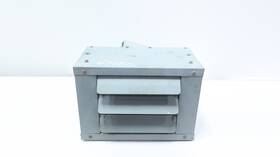
( Brand: Thermal Transfer ), ( Manufacturer Part Number: A0-10 ), ( Part Type: Heat ), ( Reference Sku: 1770306 ), ( Product Condition: Used Excellent )
Review THERMAL TRANSFER Heat Exchanger
The **A0-10 Thermal Transfer Heat Exchanger** is a high-performance, industrial-grade heat transfer solution engineered for precision, efficiency, and durability in demanding thermal management applications. Designed with an **A0-grade aluminum alloy core**, this heat exchanger combines superior thermal conductivity with exceptional structural integrity, ensuring optimal heat dissipation even under extreme operating conditions. The **compact yet robust A0-10 model** features a **10-pass counter-flow design**, maximizing heat transfer efficiency while minimizing pressure drop, making it ideal for applications requiring high heat flux, such as industrial machinery, HVAC systems, power electronics, and renewable energy equipment. Constructed with **high-purity aluminum fins** and a **corrosion-resistant anodized finish**, the exchanger resists oxidation, scaling, and environmental degradation, extending its operational lifespan in harsh environments. Its **modular and scalable design** allows for easy integration into existing systems, accommodating a wide range of flow rates and temperature differentials without compromising performance. Whether used in **liquid-to-liquid, liquid-to-air, or air-to-air heat exchange**, the A0-10 delivers **consistent thermal regulation**, reducing energy waste and operational costs. Backed by rigorous **pressure and thermal testing**, this heat exchanger adheres to strict industry standards, ensuring reliability in both standard and high-temperature applications. Its **low-maintenance construction** and **ergonomic mounting options** further enhance usability, making it a versatile choice for engineers and operators seeking a balance of performance, longevity, and ease of installation.
### **Pros and Cons of Buying a Thermal Transfer A0-A10 Heat Exchanger**
#### **Pros**
1. **Efficiency in Heat Transfer** Thermal transfer heat exchangers are designed to maximize heat exchange between fluids, improving energy efficiency in HVAC, industrial processes, and refrigeration systems. This reduces operational costs by minimizing energy waste.
2. **Versatility in Applications** These units are suitable for a wide range of industries, including HVAC, chemical processing, food and beverage production, pharmaceuticals, and power generation. Their modular design allows for customization based on specific needs.
3. **Durability and Longevity** High-quality materials (such as stainless steel, copper, or aluminum) ensure resistance to corrosion, scaling, and thermal stress, extending the unit s lifespan with proper maintenance.
4. **Compact Design** Compared to traditional heat exchangers, thermal transfer units (especially plate-and-frame or shell-and-tube designs) occupy less space while maintaining high performance, making them ideal for installations with limited space.
5. **Low Maintenance Requirements** Modern designs often incorporate self-cleaning mechanisms or easy-to-access components, reducing downtime and maintenance costs over time.
6. **Energy Savings** By efficiently transferring heat between fluids, these systems reduce the need for additional heating or cooling, lowering utility bills and environmental impact.
7. **Customization Options** Manufacturers offer tailored solutions for specific temperature ranges, pressure levels, and fluid types, ensuring optimal performance for unique applications.
8. **Environmental Benefits** Improved energy efficiency contributes to lower greenhouse gas emissions, aligning with sustainability goals in industrial operations.
---
#### **Cons**
1. **High Initial Cost** Premium thermal transfer heat exchangers, especially those made from corrosion-resistant materials or with advanced designs, can be expensive upfront. This may be a barrier for small businesses or startups with limited budgets.
2. **Complex Installation** Some units require professional installation, especially in industrial settings where proper alignment, sealing, and connection to existing systems are critical. Improper installation can lead to leaks, inefficiencies, or system failures.
3. **Potential for Fouling** Over time, mineral deposits, scale, or biological growth can accumulate inside the exchanger, reducing efficiency. Regular cleaning or maintenance is necessary to prevent this.
4. **Limited Lifespan with Poor Maintenance** Neglecting maintenance (e.g., ignoring corrosion, ignoring pressure checks) can shorten the unit s lifespan, leading to costly replacements or repairs.
5. **Compatibility Issues** Not all heat exchangers are compatible with aggressive fluids (e.g., highly acidic or abrasive chemicals). Using the wrong material or design can cause premature failure.
6. **Energy Recovery Limitations** While thermal transfer units are efficient, they may not be suitable for applications requiring extreme temperature differentials or high heat recovery rates without additional components (e.g., heat pumps).
7. **Space Constraints in Some Installations** Although many units are compact, extremely large systems (e.g., for massive industrial processes) may still require significant space, potentially complicating retrofits.
8. **Dependence on Fluid Properties** Performance can degrade if the fluids being exchanged have high viscosity, contain suspended solids, or are prone to phase changes (e.g., condensation), requiring additional filtration or pretreatment.
---
### **Conclusion**
A thermal transfer A0-A10 heat exchanger is a valuable investment for industries seeking energy efficiency, durability, and versatility. Its ability to optimize heat transfer in various applications makes it a cost-effective solution in the long run, provided it is properly sized, installed, and maintained. However, the high upfront cost, complexity of installation, and potential maintenance challenges must be carefully considered. Businesses with long-term operational goals and access to proper technical support will benefit most from this technology.
### **Recommendation**
- **For Small Businesses or Startups:** If budget is a constraint, consider a smaller, more affordable unit or explore leasing options. Ensure the system is compatible with your specific fluids and operating conditions to avoid premature wear.
- **For Industrial or Large-Scale Operations:** Invest in a high-quality, custom-designed thermal transfer heat exchanger from a reputable manufacturer. Prioritize units made from corrosion-resistant materials and with easy-access maintenance features. Conduct a thorough cost-benefit analysis to justify the initial expenditure against long-term energy savings.
- **For Energy-Critical Applications:** Pair the heat exchanger with monitoring systems (e.g., sensors for pressure, temperature, and flow) to detect issues early and optimize performance. Regular maintenance contracts with a specialized service provider can extend the unit s lifespan.
- **For Retrofits:** Ensure the existing infrastructure (piping, valves, and supporting systems) can accommodate the new heat exchanger. Consult an HVAC or industrial engineer to assess compatibility and minimize installation risks.
Ultimately, the decision should balance immediate costs with long-term efficiency gains. A well-chosen thermal transfer heat exchanger can significantly reduce operational expenses while improving sustainability.
Details:
Tool storage. Motor Starters. Heating and Cooling. Motor Drives.
Knife Gate Valves. Circuit Breakers.
part #: a010 prices
- $808.65-$899.99
specifications indheatexchanger:
- brand: Thermal Transfer
- mpn: A0-10
- part type: Heat
- reference sku: 1770306
- product condition: Used Excellent
payments indheatexchanger:
- wallet: Apple-pay
- credit card: Mastercard
- other
offer indheatexchanger:
- quantity: 1
- options: Ship-to-home
- best offers: True
- sold: 0
- availability: In Stock
- started: May 28, 2026
shipping indheatexchanger:
- cost: $0.00
- service: Standard, Expedited, Overnight
- type: Fixed
- transit: 6-6 Days
- class: Standard, Expedited, One-day
seller indheatexchanger:
- rating: 100.0%
- # reviews: 129357
- city: Delta, Ohio
returns indheatexchanger:
- method: Money back
- policy: Returns Accepted
- time: 30 Days
- paid by: Seller
general indheatexchanger:
- condition: Used
- HVAC Refrigeration > HVAC Refrigeration Components > Heat Exchangers
Thermal Transfer A0-10 Is Similar To:
- Thermal Transfer Products R-1003-b4-f-z New Shell And Tube Heat Exchanger (63.6% similar) Same day shipping...(December 9th, 2023)
- Emerson P55zzcbk942 P55zzcbk-942 Thermal Transfer Heat Exchanger Aoc-19-1 M Used (52.1% similar) Emerson P55ZZCBK-942 Thermal Transfer heat exchanger AOC-19-1 motor phase...(December 29th, 2023)
- Thermal Transfer Products B-703-b4-f-br 3 4 Inch Heat Exchanger 250 Psi Shell 150 Tube Ttpl Usa (51.5% similar) Although the year of manufacture is unknown, this heat exchanger still a reliable and functional option. The black color gives it a sleek appearance that will fit in with any environment. Please refer to the photos. With a 250 psi shell and 150 tube, this model, B-703-B4-F-BR, is perfect for any ...(January 1st, 2024)
- Thermal Transfer Ha102496793 Ttp Heat Exchanger Ha-1024-96793 500psi Used (60.7% similar) Twp Thermal Transfer heat exchanger HA-1024-96793 500PSI...(January 4th, 2024)
- Thermal Transfer Eks-718-82058 Heat Exchanger 622g54pr7 (75.3% similar) Part #: Thermal Transfer EKS-718-82058 for sale...(January 6th, 2024)
- Thermal Transfer Products Ao-10 Hydraulic Oil Heat Exchanger With 2hp Pump 230 460v (60% similar) width : 24 in. Brand: Thermal Transfer products. Will there be a dock or forklift. We choose the carrier. After the return period has ended, you can no longer product. Condition: used. Your phone number and business name. Local pick-up, prefer to pick it up yourself. Country of manufacture: USA. ...(January 7th, 2024)
- Thermal Transfer Sb-1602-c4-t Steel Shell Copper Tube Exchanger 3 X 2-1 2in Npt (53.4% similar) Shell material:steel. Knife gate valves. Shell inlet/outlet SIZE:3 in. Tube inlet/outlet SIZE:2-1/2 in. Tube material:copper. Thread type:not...(January 8th, 2024)
- E-tes Mb120 E-tes Electric Thermal Exchanger (42% similar) Like new condition...(January 11th, 2024)
- Thermal Transfer Ek-736-t Shell And Tube Heat Exchanger 1-1 2in 3 4in Npt (60% similar) Knife gate valves. Circuit breakers. Heating and cooling...(January 19th, 2024)
- Thermal Transfer Eks-718-t Shell And Tube Heat Exchanger 1-1 2in 3 4in (63.6% similar) Circuit breakers. Valve bodies and manifolds. Knife gate valves. Heating and cooling...(January 20th, 2024)
- Thermal Transfer Aa-100-1 250 Psi After Cooler Heat Exchanger 115v 1ph (67.3% similar) Condition: used. We choose the carrier. Next day second air services are available. Removed from a working environment. Need it urgently. width : 28 in. All goods are so as is' and with all faults meaning, without limitation, that. Msrp: $899.99. Local pick-up, prefer to pick it up yourself. Will ...(January 23rd, 2024)