EB 023-01217A Heating Element Volts Watts 400 2-WIRE
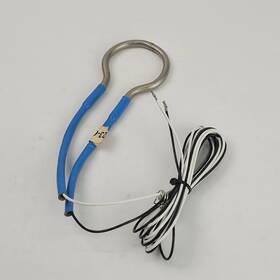
( Brand: Eb ), ( Manufacturer Part Number: 023-01217A )
Review EB Heating Element 230 Volts 400 Watts 2-wire Used
The **EB 023-01217A** is a high-performance, industrial-grade heating element designed for precision and durability in applications requiring consistent, reliable heat output. Engineered to operate at **230 volts AC**, this **400-watt** heating element delivers efficient thermal energy with minimal energy loss, making it ideal for use in industrial ovens, drying chambers, process heaters, and other high-demand thermal systems. Constructed with a robust **2-wire connection**, it ensures straightforward installation and easy integration into existing electrical circuits, reducing wiring complexity while maintaining optimal performance. The element features a **high-temperature-resistant construction**, typically utilizing materials such as **stainless steel sheathing** and **nichrome or kanthal heating wire**, which ensures longevity even under prolonged exposure to elevated temperatures. Its compact yet sturdy design allows for seamless incorporation into tight spaces, whether in custom-built machinery or standardized industrial equipment. With a focus on **energy efficiency**, this heating element minimizes operational costs while maximizing heat transfer, making it a cost-effective solution for applications requiring stable and consistent thermal output. Whether used in manufacturing, food processing, or laboratory settings, the **EB 023-01217A** provides dependable performance, durability, and ease of maintenance, ensuring reliable operation for years with proper care.
### **Pros and Cons of buying a EB 023-01217A Heating Element (230V, 400W, 2-Wire)**
#### **Pros:**1. **Compatibility with Standard Voltage Systems** The 230V rating makes it suitable for most household electrical systems in Europe, Asia, and other regions where 230V is standard. This eliminates the need for voltage converters or transformers in many cases.
2. **Moderate Power Output (400W)** A 400W heating element is versatile for applications like:- Small electric heaters (e.g., space heaters, under-counter heaters).
- Water heaters (if properly sized for the tank).
- Industrial or commercial equipment requiring localized heating (e.g., drying units, process heating).
It is powerful enough for heating small spaces or fluids but not excessive for most residential uses.
3. **Simple Installation (2-Wire Design)** The 2-wire configuration (live and neutral) simplifies wiring compared to 3-wire or thermostatically controlled elements. This can reduce installation time and complexity, especially for DIYers or technicians familiar with basic electrical work.
4. **Durability and Longevity** High-quality heating elements like this one are typically made from materials like nichrome or kanthal, which are resistant to corrosion and high temperatures. With proper use and maintenance, they can last for years.
5. **Cost-Effective for Small Applications** For low-power heating needs, a 400W element is often cheaper to purchase and operate compared to higher-wattage alternatives. It may also be more energy-efficient than gas heating in some cases.
6. **Easy Replacement Option** If your existing heating system uses a similar element, this can be a straightforward replacement part, reducing downtime and repair costs.
7. **No Thermostat Required (If Used Directly)** Unlike some heating elements that require a thermostat for safety, this basic element can be used in applications where direct power control (e.g., via a switch or timer) is sufficient.
---
#### **Cons:**1. **Limited Power for Large Applications** At 400W, this element is not suitable for heating large volumes of water, big rooms, or industrial processes requiring higher heat output. For example:
- A standard 50-liter water heater typically needs 1.5 2.5 kW elements.
- Heating a 20m room may require multiple 400W elements or a higher-wattage unit.
Use it only for small-scale heating tasks.
2. **No Built-In Safety Features** The element lacks integrated safety mechanisms like:- Overheat protection (may require external thermostats or fuses).
- Grounding (if installed in a non-grounded system, it could pose a shock hazard).
Always use proper safety measures (e.g., circuit breakers, insulation) when installing.
3. **Potential for Uneven Heating** Without a thermostat or temperature control, the element may run continuously at full power, leading to:- Overheating in some areas.
- Energy waste if not used in a controlled environment.
Consider pairing it with a thermostat if precise temperature control is needed.
4. **Compatibility Issues with Non-Standard Systems** While 230V is common, ensure your electrical system matches the voltage and phase requirements. Some regions use 110V, 220V, or 240V, and mismatches can damage the element or create safety hazards. Verify voltage compatibility before purchase.
5. **Lifespan Dependent on Usage Conditions** If exposed to:- Corrosive substances (e.g., hard water, chemicals), the element may degrade faster.
- Mechanical stress (e.g., bending or improper mounting), it could fail prematurely.
Regular inspection and maintenance are recommended.
6. **No Cooling Mechanism** Unlike some industrial elements, this does not include built-in cooling fins or airflow requirements. Prolonged use in enclosed spaces may lead to overheating.
7. **Potential for Electrical Hazards** Improper installation (e.g., loose connections, lack of grounding) can cause:- Short circuits.
- Fires.
- Electrical shocks.
Always follow local electrical codes and use a qualified electrician if unsure.
---
### **Conclusion:**The **EB 023-01217A (230V, 400W, 2-wire) heating element** is a practical choice for **small-scale, low-power heating applications** where compatibility with standard voltage systems is required. It offers simplicity, moderate power, and ease of installation, making it ideal for:
- Replacing failed elements in small heaters or water heaters.
- Adding localized heating to equipment (e.g., drying racks, small tanks).
- DIY projects where precise temperature control isn t critical.
However, it is **not suitable** for:- Large-scale heating (e.g., whole-house heating, big water tanks).
- Applications requiring precise temperature regulation (without additional controls).
- High-risk environments where safety features are mandatory.
### **Recommendation:** - **Buy it if:**- You need a replacement or additional heating element for a small, low-power system.
- Your electrical system is 230V (verify with a multimeter if unsure).
- You re comfortable with basic electrical work or have a professional install it.
- The application doesn t require continuous high heat (e.g., occasional use in a heater or small water heater).
- **Avoid it if:**- You need a high-wattage element (e.g., >1 kW) for large volumes of water or space.
- Your electrical system is not 230V (risk of damage or fire).
- The application demands temperature control (consider adding a thermostat).
- You re working in a corrosive or high-humidity environment without protective measures.
**Final Tip:** Always test the element for continuity and insulation before installation, and ensure it s properly rated for your specific use case. If in doubt, consult an electrician or heating specialist.
Details:
These services include Item is sold as pictured. Prices for these options may differ from standard ground shipping. These services include: UPS 3 Day Select. EB 023-01217A Heating Element, 230 volts , 400 watts , 2-Wire.
UPS 2 Day Air AM. USED, Part number is has been partially ripped off. The cost of combined shipping depends on weight, location buyer and size box.
UPS Next Day AM.
part #: 02301217a price
- $39.99
specifications indheatexchanger:
- brand: Eb
- mpn: 023-01217a
seller indheatexchanger:
- rating: 100.0%
- city: Kawkawlin, Michigan
- # reviews: 27325
offer indheatexchanger:
- sold: 0
- quantity: 1
- best offers: True
- options: Ship-to-home
- started: March 16, 2026
- availability: In Stock
returns indheatexchanger:
- paid by: Buyer
- time: 30 Days
- method: Money back
- policy: Returns Accepted
shipping indheatexchanger:
- cost: $7.95
- transit: 3-8 Days
- carrier: USPS, UPS
- class: Standard, Expedited, One-day
- service: USPS Ground Advantage, UPS Ground, USPS Priority Mail, UPS Next Day Air
- type: Calculated
general indheatexchanger:
- condition: Used
- HVAC Refrigeration > HVAC Refrigeration Components > Heat Exchangers
payments indheatexchanger:
- wallet: Apple-pay
- credit card: Visa
- check
- money order
- other
Eb 023-01217A Is Similar To:
- Eb 023-01217b Heating Element 230 Volts 350 Watts 2-wire Used (95.2% similar) Ups next day am. Eb 023-01217B heating element, 230 volts , 350 watts , 2-WIRE. These services include: ups 3 day select. The cost of combined shipping depends on weight, location buyer and size box. Prices for these options may differ from standard ground shipping. These services include item is ...(March 16th, 2026)